Effective August 12! The EU PPWR Is Now in Full Force — Flexible Packaging Makers Must Adapt Now or Risk Customs Holds
On August 12, the EU's Packaging and Packaging Waste Regulation (PPWR) officially came into full effect.
This is not a consultation, not a draft — it is a binding regulation that takes effect directly and is enforced uniformly across the EU. From the 94/62/EC Directive used for nearly 30 years to today's Regulation (EU) 2025/40, behind the difference of just three words lies a complete overhaul of the rulebook for the entire flexible packaging industry.
Can we still make multi-layer laminates? Will aluminium-foil structures be banned? How should we switch adhesives? How much recycled content is required? Will our goods be detained?
This article explains, in one go, PPWR's impact on the flexible packaging industry, the direction of technological transformation, and the roadmap for companies to respond. We recommend bookmarking it and forwarding it to your technical and business teams.
I. First, Understand This: What Makes PPWR So Tough?
Many people think: isn't it just another green regulation? Wrong. This time is on a completely different level from the past.
First, its nature changed: from "Directive" to "Regulation." The old 94/62/EC was a Directive, translated into national law by each member state with inconsistent strictness, leaving loopholes to exploit. The new PPWR is an EU Regulation, directly applicable in all 27 member states with unified standards and unified enforcement — there is no room for negotiation.
Second, the logic changed: from "end-of-pipe treatment" to "whole-lifecycle control." In the past, only whether it could be recycled after disposal mattered. Now, design, materials, production, use, and recycling are all locked down across the entire chain. If the design fails, the product simply cannot reach the market.
Third, the threshold changed: from "recommended targets" to "mandatory red lines." Recyclability grading, mandatory recycled-content ratios, hazardous-substance restrictions... every clause has a clear timeline and penalties. Cross the line and it means a sales ban, cargo detention, or recall — no grace period.
Simply put: before, it was "we encourage you to be green"; now, it is "stay out if you're not green."
The Six Life-or-Death Hurdles for the Flexible Packaging Industry
PPWR has many clauses, but these six are the ones that truly hit the nerve of flexible packaging.
1. Recyclability Grading: The 2030 Deadline
This is the clause with the greatest and most far-reaching impact on flexible packaging — bar none.
PPWR grades packaging into three levels, A, B, and C, by recyclability rate:
A level: recyclability ≥ 95%
B level: recyclability ≥ 80%
C level: recyclability ≥ 70%
The rules are brutal:
- From 2026, packaging below C level (<70%) is banned from the EU market
- From 2038, C-level packaging will also be fully banned
So what is the current state of the flexible packaging industry? Today's mainstream multi-layer structures such as PET/AL/PE and PET/PE/NY cannot be effectively separated into their different materials, so the vast majority fall short even of the 70% C-level threshold.
In other words: the classic laminate structures we have used for decades have been given a "suspended death sentence." Before the 2030 deadline, structural iteration must be completed — there is no alternative path.
2. Mandatory Recycled Content: PCR Becomes Hard Currency
PPWR explicitly requires plastic packaging to include post-consumer recycled (PCR) material:
By 2030, PCR content in general plastic packaging ≥ 35%
By 2040, the ratio rises to ≥ 65%
Two key points to note:
Only post-consumer recycled material (PCR) counts; a factory's own offcuts (PIR) do not — closing the loophole of "moving it from the left hand to the right."
Food-contact packaging has some exemption room, but requires strict proof — it is not a default exemption.
3. Zero Tolerance for PFAS: No Transition Period for Food Contact
Per- and polyfluoroalkyl substances (PFAS), commonly known as "forever chemicals." For food-contact packaging, restrictions apply directly from August 12, with no transition period whatsoever.
It is not only greaseproof paper and fast-food packaging that are affected. Within flexible packaging, fluorine-containing slip agents, certain ink additives, and special coatings are all under scrutiny. Any detection above the limit can lead to the entire batch being detained.
4. Single-Use Plastic Ban: Sachets / Stick-Packs Directly Restricted
The following packaging formats are already banned from the EU market:
Single-use plastic condiment sachets in the foodservice industry (ketchup, sugar, creamer, etc.)
Some single-dose sachets and stick-packs
Non-recyclable micro plastic packaging
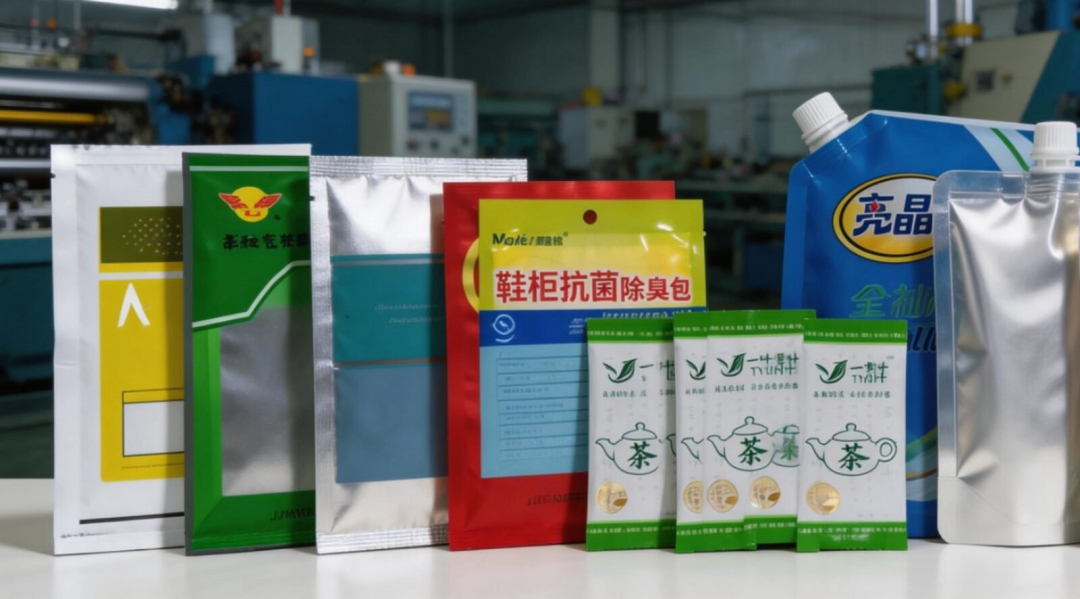
Factories making sachets, stick-packs, and single-dose packaging will feel the impact on their order mix first.
5. Packaging Minimization: Over-Packaging No Longer Works
Packaging weight and volume must match the contents; redundant layers and empty space without functional purpose are prohibited. The multi-layer redundant laminates of e-commerce courier bags and cushioning packaging all fall within the scope of the crackdown.
6. Full-Chain Traceability: Responsibility Cannot Be Shifted Away
Every package exported to the EU requires:
Labeling of material, recycled-content ratio, and recycling marks
Issuance of a Declaration of Conformity (DoC)
A complete technical file, retained for at least 5 years
Moreover, the manufacturing enterprise is the responsible party and cannot shift all responsibility to overseas customers through contracts. When something goes wrong, traceability leads straight to the factory — and it checks out every time.

III. The Industry's Big Pivot: Multi-Layer Laminates Exit, Mono-Material Rises
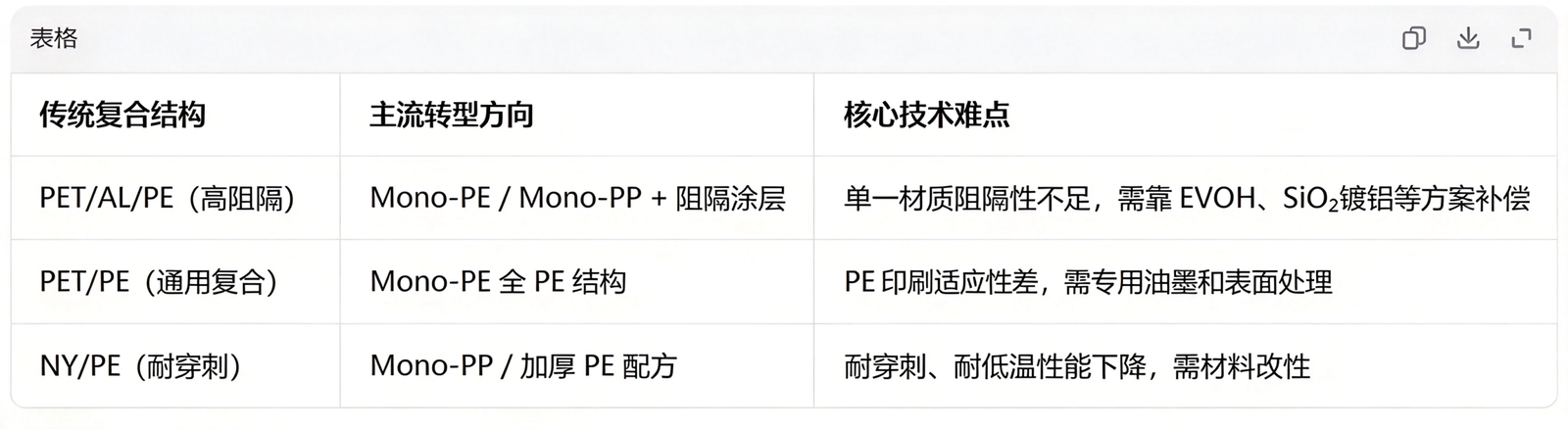
Under PPWR, the technological roadmap of the flexible packaging industry is already crystal clear: shifting comprehensively from multi-layer laminates to mono-material structures. The biggest bottleneck for the industry at present is high-temperature retort packaging. PE has a melting point below retort temperatures, and conventional mono-material cannot withstand sterilization above 121°C. This technological gap still has no perfect low-cost solution, and will be the main battleground the industry must tackle in the coming years.
IV. Adhesives and Lamination Processes: Restructuring Is Underway
When packaging structures change, adhesives and lamination processes must change with them. Hidden within this round of restructuring are opportunities for the entire upstream supply chain.
- Solvent-based adhesives accelerate their exit; solvent-free / water-based become mainstream
Solvent-residue and VOC-emission risks are amplified, so the pace of substitution by solvent-free and water-based lamination will far exceed expectations.
- PUR adhesives upgrade toward low-monomer, aliphatic formulations
Migration risk from aromatic isocyanates is under close scrutiny; low-monomer, aliphatic PUR systems will become standard in high-end markets.
- The coating-weight window narrows sharply
Recyclability certification imposes strict requirements on adhesive-layer thickness; over-coating directly lowers the recycling grade. This raises the bar for dosing accuracy and coating stability — the error margin of manual adhesive mixing is being closed off completely.
- The bonding challenge of mono-material lamination
PE/PE and PP/PP are both low-surface-energy materials that conventional adhesives struggle to bond. Dedicated modified adhesives, surface-treatment processes, and matched dosing and coating equipment will become new competitive high ground.
V. A Three-Step Response Roadmap for Chinese Flexible Packaging Enterprises
Everyone understands the theory, but where to start? Prioritized by timeline, proceed in three steps.
Short term: Audit first, survive first (0–6 months)
Conduct a full review of all EU-bound products; disassemble each BOM and list every material, ink, and adhesive
Prioritize screening for PFAS and heavy metals; prefer ISO 17025-accredited laboratories for testing
Request compliance declarations and test reports from all upstream suppliers; build a supply-chain compliance archive
Set up the DoC template and technical documentation system so every batch is traceable
Medium term: Restructure, build internal capability (6 months – 2 years)
Move recyclability and recycled-content requirements upstream into product design; develop new products directly to the new rules
Start mono-material structure validation for flagship products; stockpile Mono-PE and Mono-PP process solutions
Evaluate solvent-free lamination equipment upgrades; gradually reduce the share of solvent-based processes
Complete EU EPR registration and establish a continuous reporting mechanism
Long term: Build the system, capture the dividend (2–5 years)
Push core products to recyclability grade B or above, forming a technical barrier
Stabilize the PCR supply chain; lock in quality recycled-material resources early
Build an end-to-end traceability system from raw material to finished product; achieve digital compliance management
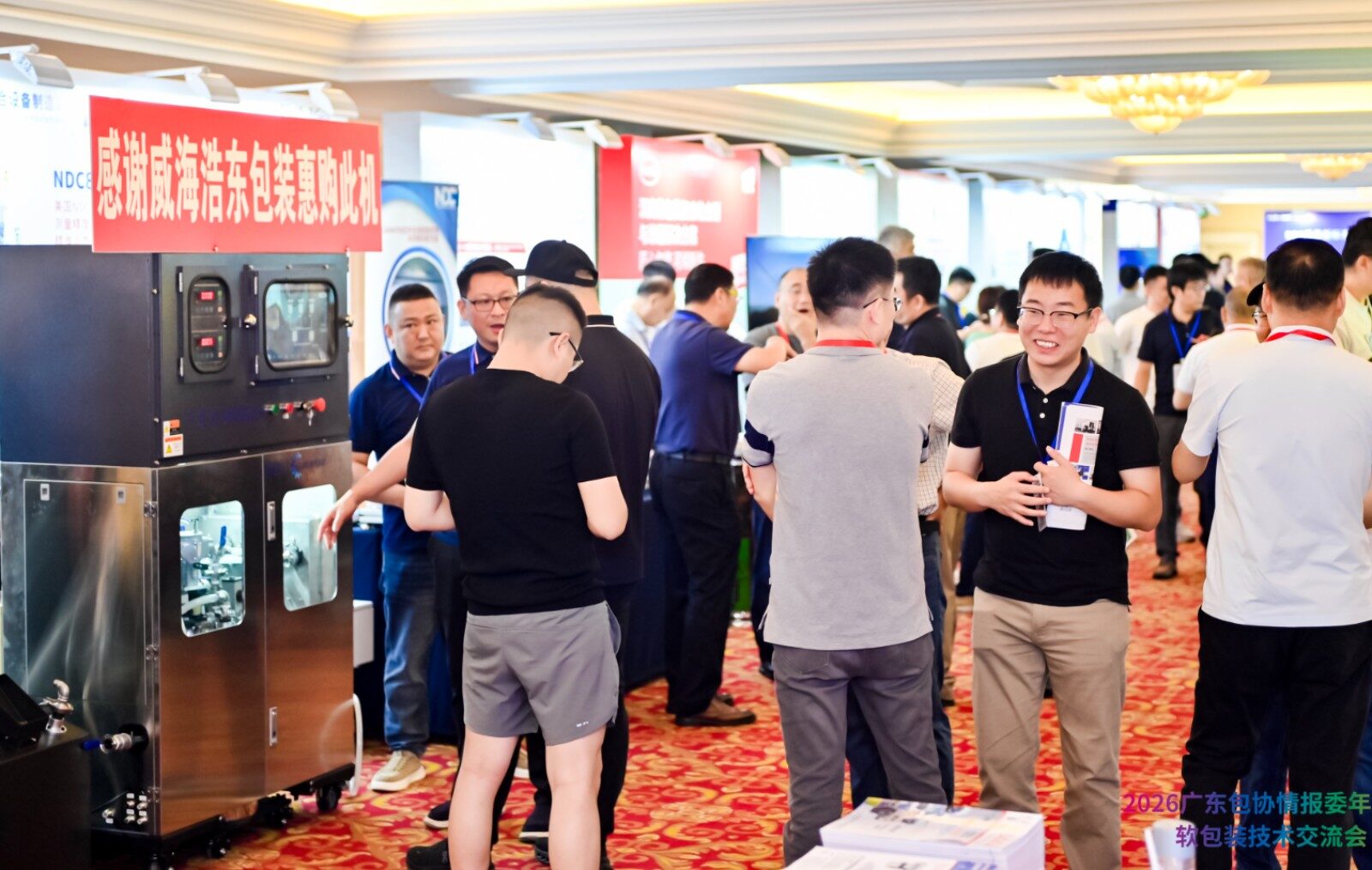
Many companies rush to swap materials and change structures, yet often overlook the lamination and adhesive-mixing step that most affects the whole picture. Under PPWR, adhesive-layer thickness directly determines a package's recyclability grade, adhesive composition relates to hazardous-substance compliance, and dosing accuracy affects batch stability — the old model of "mixing by experience, dosing by feel" is becoming an invisible minefield on the export path.
Mono-material transformation, solvent-free adhesive substitution, and precise coating-weight control are already the three mandatory moves of the industry. Automated adhesive-dosing equipment has also been upgraded from a mere "cost-cutting and efficiency tool" to "essential compliance equipment."
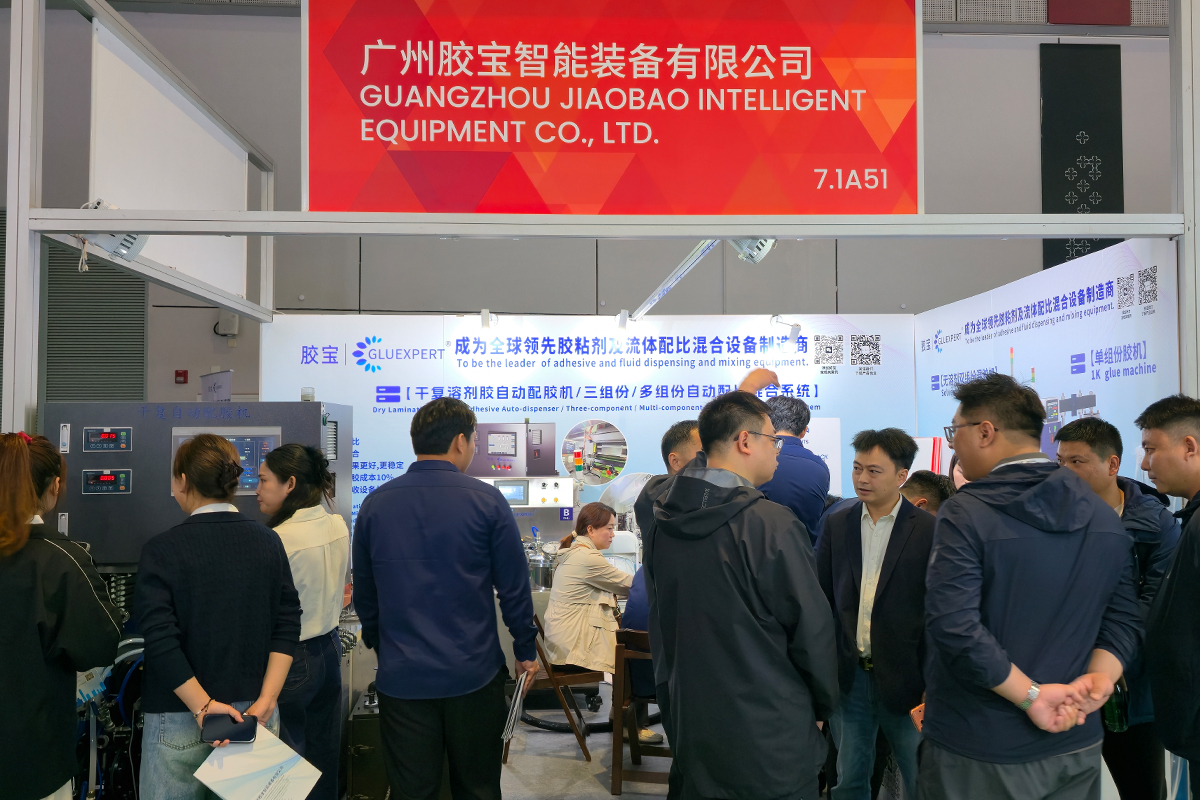
As a deep cultivator in flexible-packaging adhesive dosing, Guangzhou Jiaobao's three core product lines precisely match the full-scenario compliance needs under PPWR:
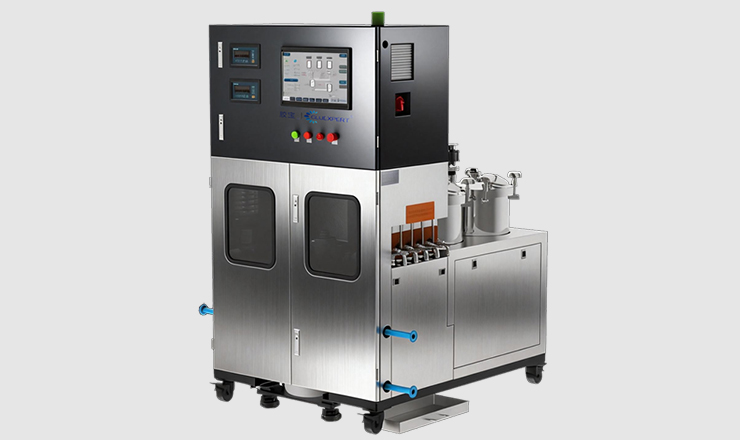
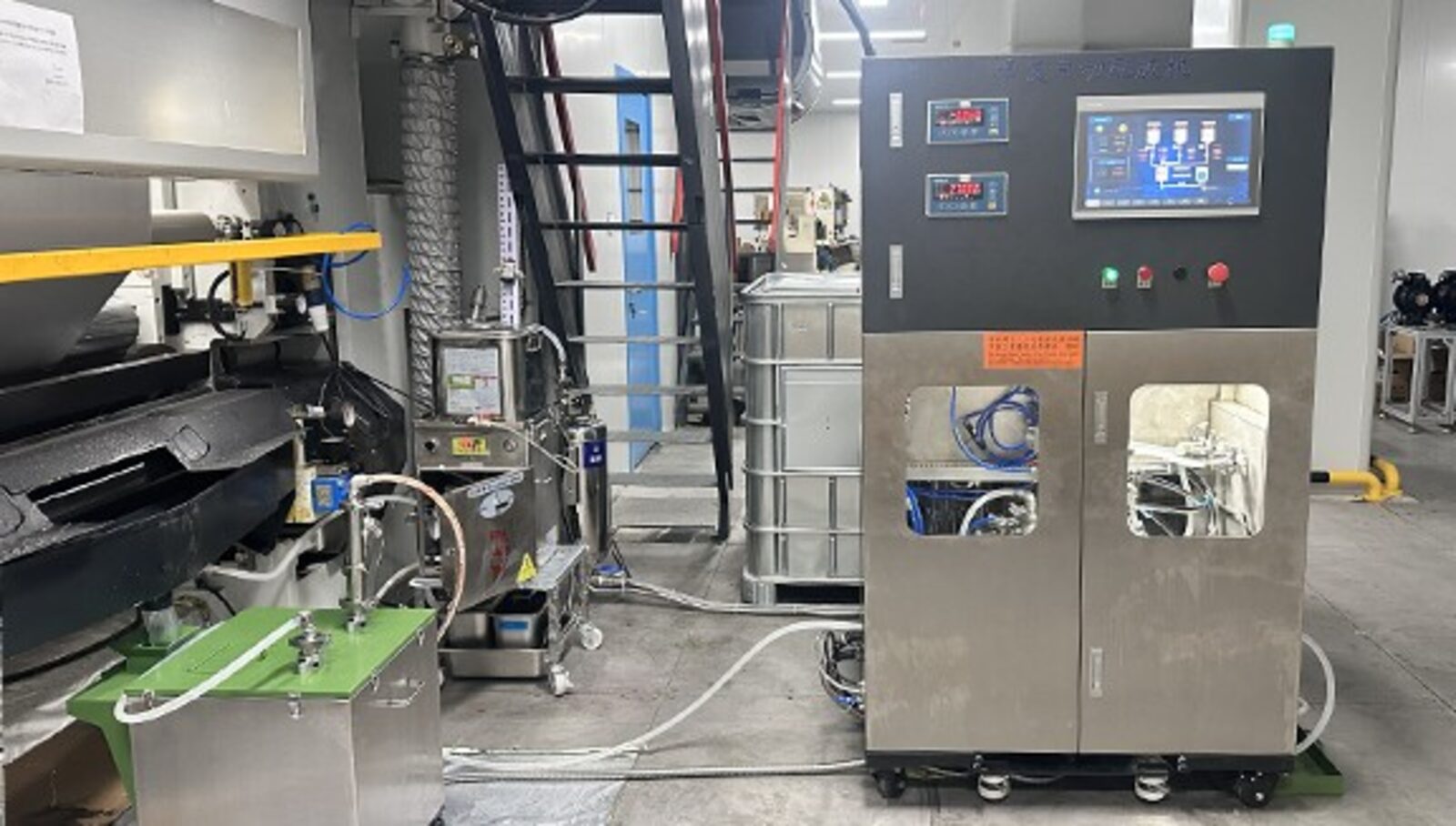
Dry-lamination automatic adhesive-dosing machine: precise dosing to hold the recycling red line
Triple metering verification ensures a ratio deviation within ±1g; coating weight is monitored online in real time and strictly held within the compliant coating-weight window, preventing an overly thick adhesive layer from lowering the recyclability rating. At the same time, it reduces solvent volatilization and adhesive waste, cutting overall adhesive cost by 10%–20% — compliance and cost reduction in one step.
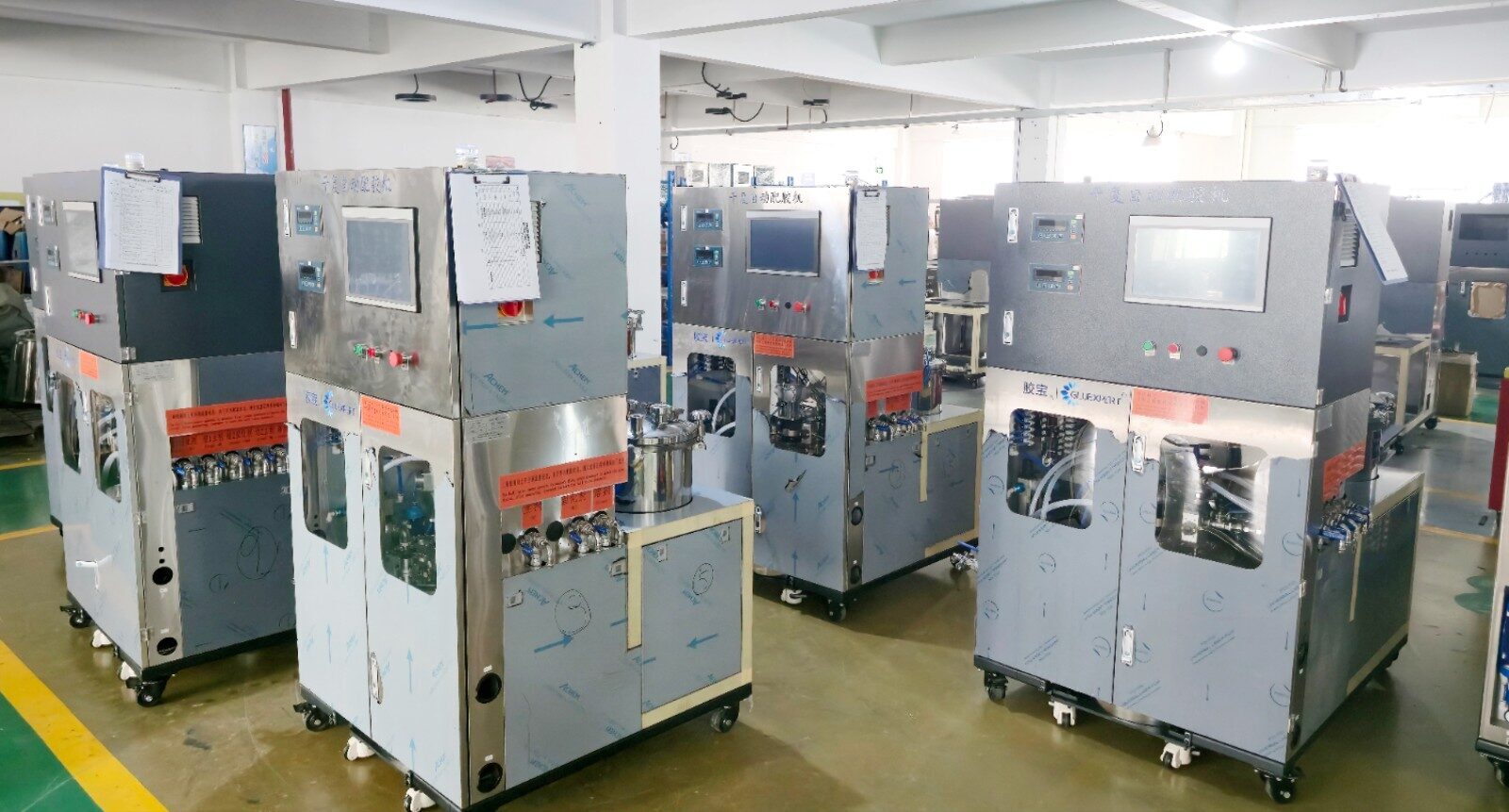
Solvent-free two-component mixing machine: compatible with eco adhesives, eliminating residue risk
Precise ratio of main agent and curing agent, uniform mixing, and continuous stable adhesive supply perfectly fit the upgrade to solvent-free lamination. Production parameters are recordable and traceable, directly linking to the DoC technical file required by the EU — eradicating solvent-residue hazards at the process root.
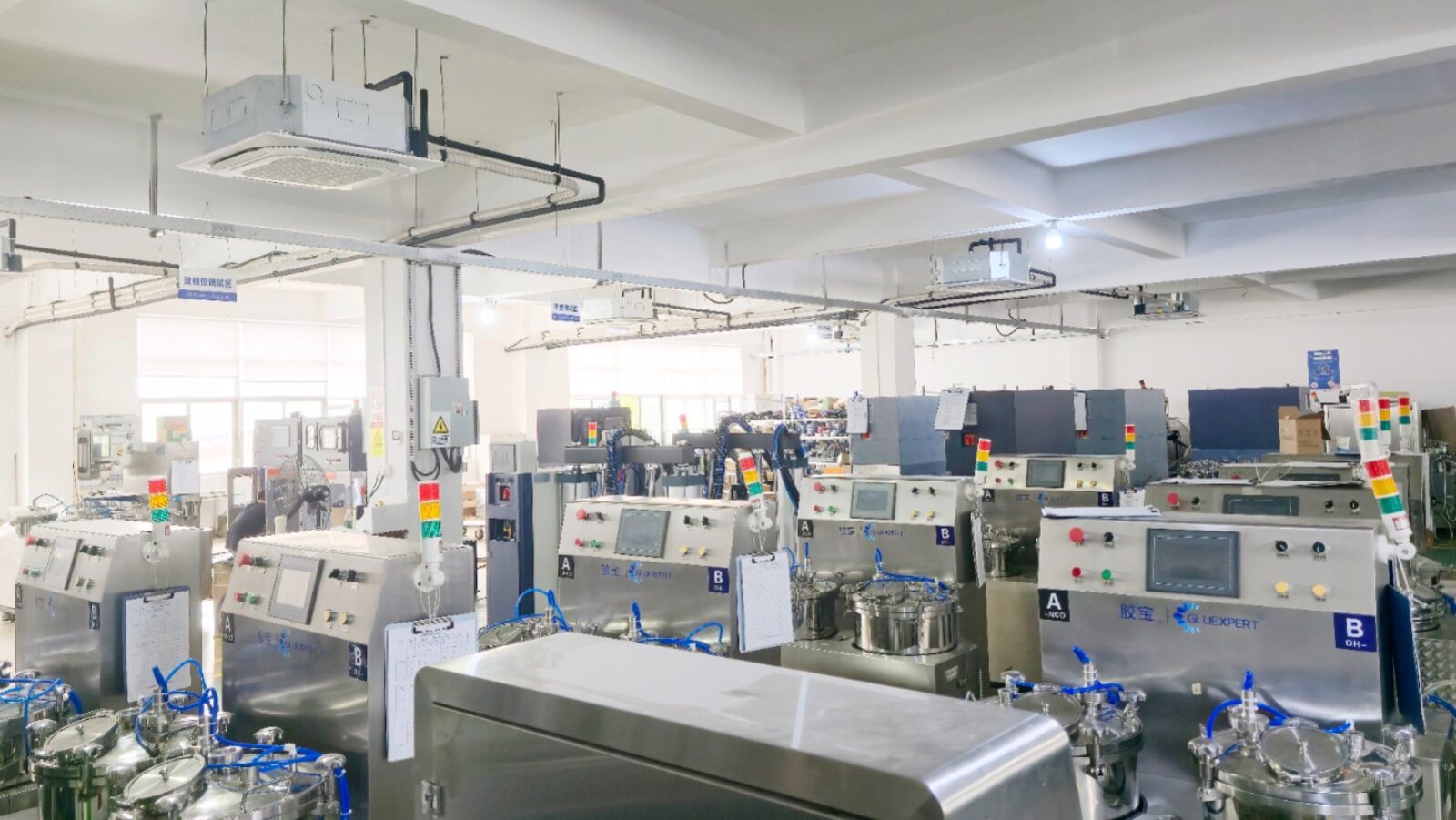
Single-component PUR adhesive machine: for paper-aluminium and paper-plastic lamination, zero-solvent for greater compliance
10-minute rapid heating and melting; compatible with eco adhesives such as low-monomer aliphatic PUR; no solvent residue, no odor; adhesive cost is only 33%–50% of dry lamination. Compatible with mainstream laminators for in-line production, helping companies smoothly switch to high-barrier eco lamination processes.
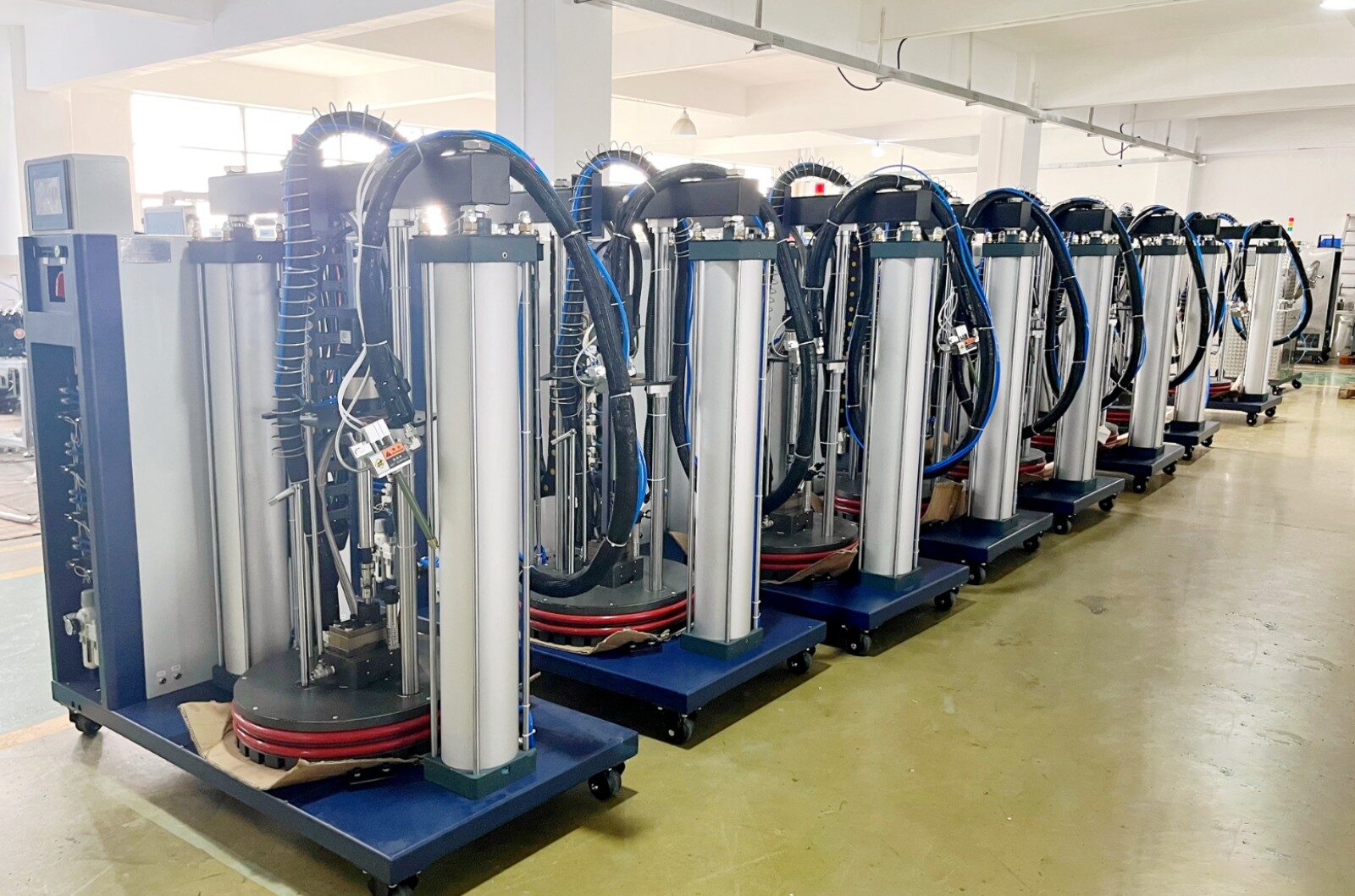
More importantly, the entire equipment series supports production-data logging and order-history traceability; every batch's dosing parameters and coating weight are on record, perfectly matching PPWR's hard requirements for full-chain traceability and technical-file retention.
For exporters, the most pragmatic path right now is clear: on one front, sort out the BOM of EU-bound products and complete hazardous-substance screening; on the other, upgrade lamination and adhesive-dosing processes in parallel, using automated equipment to lock in compliance precision.
PPWR was never a simple environmental threshold, but a watershed for industry reshuffling. As the old path of low-price competition narrows, precision craftsmanship and full-chain compliance capability are the true entry ticket to the EU market. Companies that complete the adhesive-dosing upgrade one step earlier will ultimately capture the dividends of the post-reshuffle market.